Unearthing the Bread and Focaccia Tradition of Late Neolithic Communities
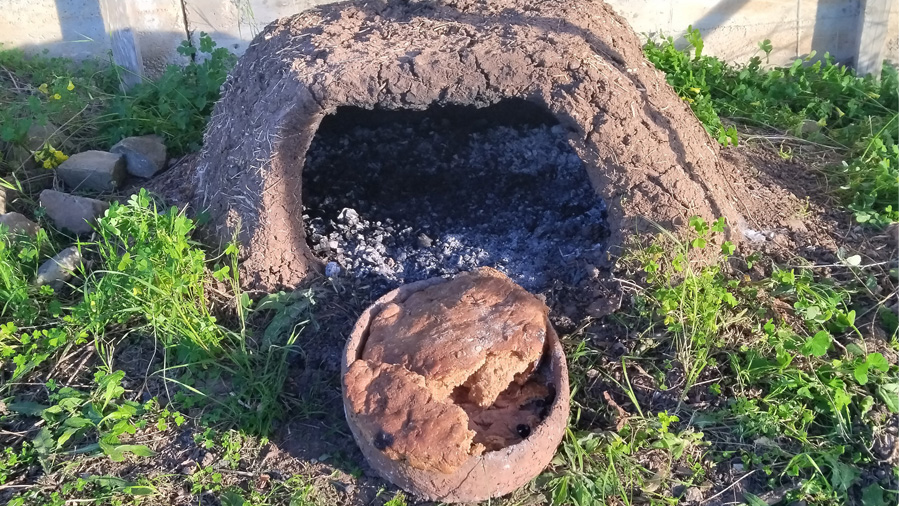
In a groundbreaking study, researchers from UAB and University La Sapienza have uncovered the culinary traditions of Late Neolithic communities in the Fertile Crescent, dating back to 7000-5000 BCE. The study reveals that these communities developed sophisticated techniques for baking large loaves of bread and focaccias using unique clay trays known as husking trays. These trays, characterized by their rough internal surfaces, were used to bake bread in domed ovens. **The large size of the loaves, about 3 kg, suggests they were intended for communal sharing.** Detailed analyses of ceramic fragments from sites in Syria and Turkey show that these trays were vital for making cereal-based doughs, possibly seasoned with animal fats or plant oils. The examination of phytoliths confirms that the communities processed cereals like wheat and barley into flour on these trays. **Notably, residue analyses suggest that animal-derived and plant-based ingredients were part of the menu.** The degradation state of these residues aligns with experimental results, indicating temperatures in line with ancient baking practices. This study paints a vivid picture of communal culinary life, emphasizing a tradition that spanned six centuries across the Near East, offering a window into the social and dietary practices of these early agricultural societies.