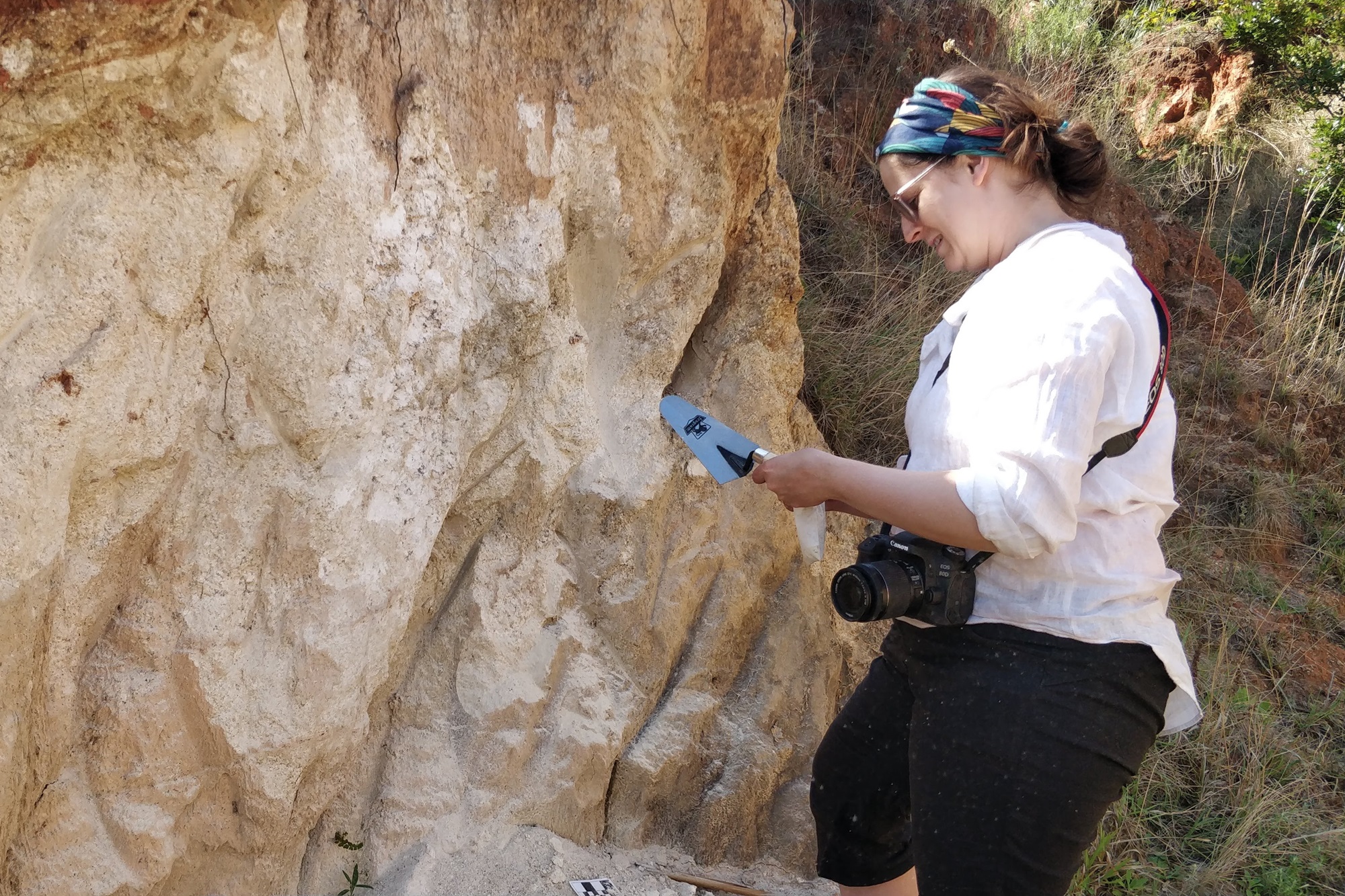
Unlocking Ancient Mysteries: The World's Oldest Ochre Mine and Human Cognition
University of Missouri scientist Brandi L. MacDonald collaborates with an international team to utilize advanced technology at Mizzou in exploring the historical significance of ochre. **Ochre**, an ancient pigment pivotal to human artistry and symbolism, was traced back to the world's oldest mine in Eswatini using Mizzou's scientific resources. At the heart of this exploration is *provenance*, a method in archaeology focusing on tracing an object's origins. The process involved **neutron activation analysis** at MURR, which enabled the team to create a geochemical fingerprint of the ochre, determining its origin and distribution. This analysis was complemented by _Raman spectroscopy_ at the MSEI, which identified the mineral composition, and **electron microscopy** at EMC, providing high-resolution imaging of the ochre's elemental makeup. This interdisciplinary approach revealed insights into ancient human behavior, showing how humans mined, processed, and utilized ochre, highlighting early technological activity. MacDonald's work, which earned an NSF CAREER Faculty Early Career Development Award, plans to further investigate ochre's role in human history in Eswatini and northern Australia, potentially reshaping our understanding of human creativity and social networks.