Unlocking Cellular Youth: The Role of a Small Nucleolus in Aging
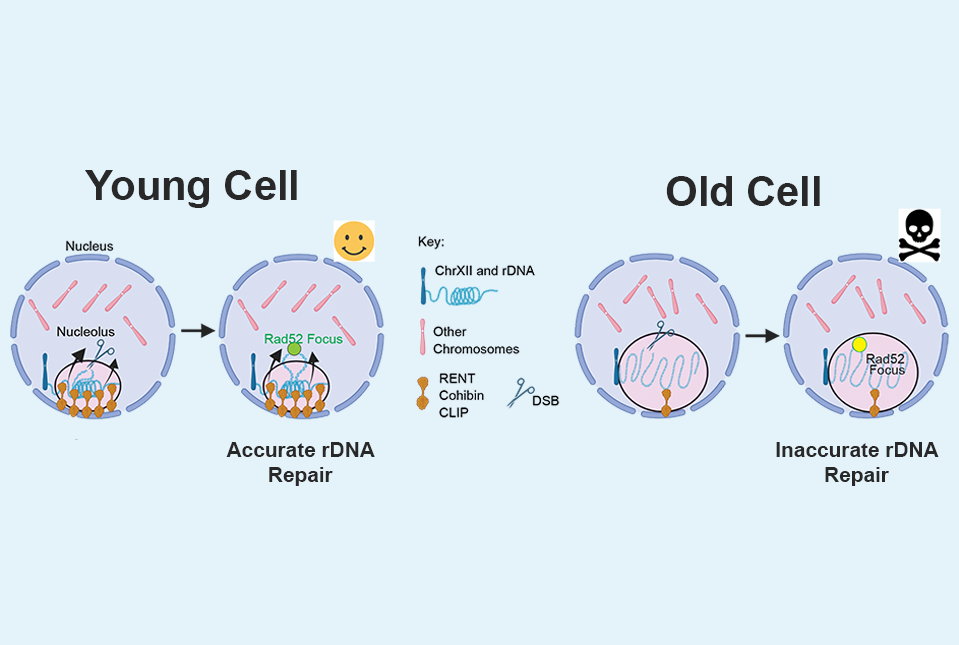
Weill Cornell Medicine's latest research, published in _Nature Aging_, explores the connection between nucleolus size and cellular aging. The nucleolus, residing in the nucleus, houses the fragile rDNA crucial for ribosome production. By experimenting with _Saccharomyces cerevisiae_ (yeast), researchers found that tethering the nucleolus to keep it small could significantly delay aging, akin to the effects noted with calorie restriction. This discovery could pave the way for longevity treatments to extend human lifespan. Nucleoli in yeast remained small throughout most of their lifespan but rapidly expanded past a certain threshold, serving as a mortality timer signaling approaching cell death, generally within five further divisions. Large nucleoli were found to have leaky properties, allowing unwanted proteins to enter, which destabilizes rDNA and leads to genome instability—a catalyst for aging. The study aims to explore these nucleolar dynamics in human stem cells to potentially enhance their longevity. Thus, maintaining a compact nucleolus may combat age-related diseases by delaying the onset of cellular decline.