Unlocking Dinosaur Diets: Fossilized Feces Reveal Ancient Ecosystems
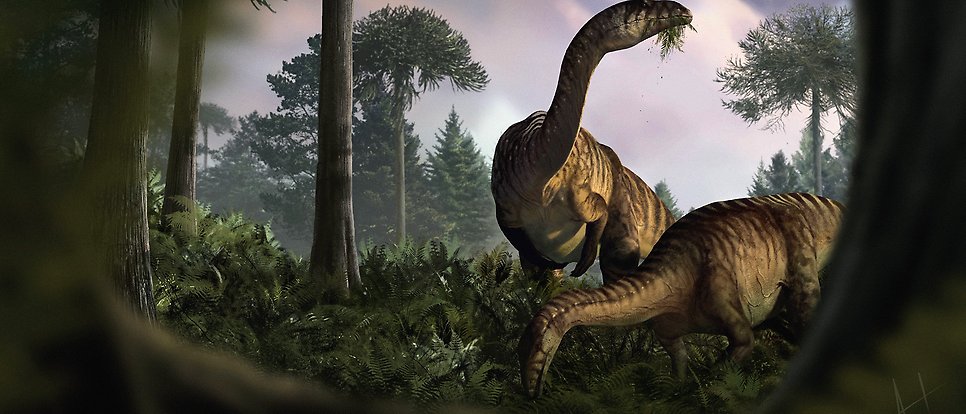
**An international research team led by Uppsala University has embarked on a mission to uncover the secrets of ancient dinosaur ecosystems by analyzing fossilized feces, also known as coprolites.** These coprolites have been meticulously examined using advanced synchrotron imaging, allowing researchers to visualize the internal contents in remarkable detail. Led by Martin Qvarnström from the Department of Organismal Biology, the study involved a collaboration with scientists from Norway, Poland, and Hungary. The findings have been published in the prestigious journal Nature. The study focused on the Polish Basin, which existed during the Late Triassic period, a crucial era for dinosaur evolution. By piecing together undigested remains of plants and prey, the researchers have reconstructed a comprehensive picture of ecosystems from 230 to 200 million years ago. This groundbreaking effort involved analyzing information from numerous sources like bite marks, footprints, and climate data over 25 years. This extensive research challenges the existing understanding of the dinosaur success story, with prominent discoveries including the dietary habits of early herbivorous dinosaurs. Their coprolites unexpectedly revealed remains of tree ferns, other plants, and charcoal, suggesting detoxification strategies. The study proposes a five-step evolutionary model that elucidates the pivotal role of dietary adaptability in the survival of early dinosaurs during the environmental crises of the Late Triassic. These findings can provide crucial insights into modern climate challenges and evolutionary processes, emphasizing the significance of dietary diversity as a survival trait. As Grzegorz Niedźwiedzki noted, the love of plant shoots was a key factor in the thriving of herbivorous dinosaurs.**