Unlocking Plant Cell Secrets: New Method Unveils the Mystery of Plant Structure
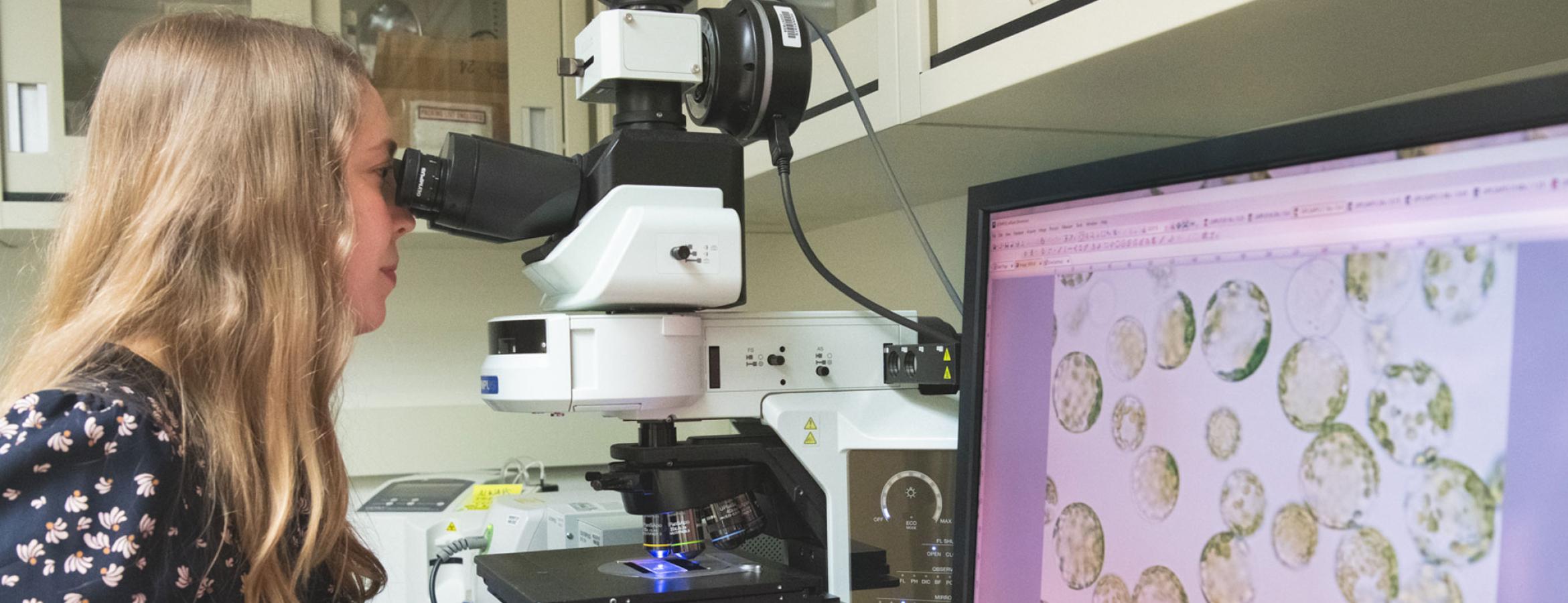
**Penn State biologists** have introduced an innovative approach that leverages stripped-down plant cells, or protoplasts, to convert them into various cell types, similar to stem cell differentiation. The focus of the research is on xylem tracheary elements (XTEs), which have a unique banding pattern in their cell walls, contributing to their structural stability much like the corrugated patterns in cardboard. The team led by Sarah Pfaff, identified how cellulose, xylan, and lignin polymers interact to form these banding patterns. _Mutations_ in plants cause these structures to form improperly, leading cells to collapse under the pressure of water transportation. By understanding this, they aim to improve the efficiency of extracting cellulose, a key component for biofuels. The method utilizes protoplasts, providing them with a transcription factor that acts as a genetic trigger for differentiation into XTEs, allowing the study of cell wall formation in both healthy and mutant plants. The research suggests that the cell wall structure can influence cellular processes, providing insights that could be crucial for biofuel production and plant biology advancements. This work was supported by the U.S. Department of Energy and the Human Frontier Science Program.