Unlocking the Genetic Secrets of Honey Bee Behavior
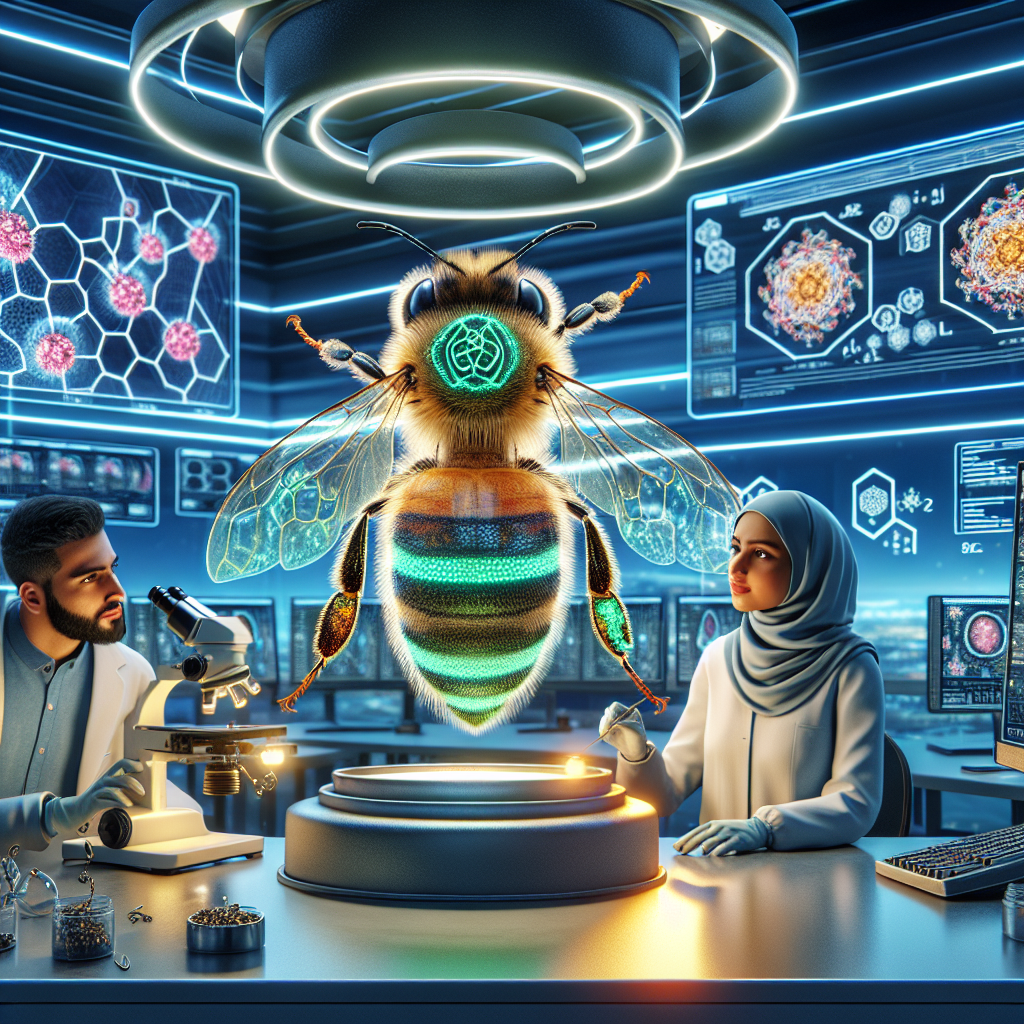
Researchers at Heinrich Heine University Düsseldorf (HHU), in collaboration with European colleagues, have made groundbreaking discoveries about the genetic programming of the complex cooperative behavior of **honey bees**. Published in Science Advances, the study identifies the **doublesex gene (dsx)** as crucial for worker bee behavior, shedding light on how these behaviors are inherited. Honey bees operate as a 'superorganism', with individual bees contributing to collective goals like foraging and brood care. Traditionally, it was unclear how such intricate behaviors were genetically encoded. Led by Professor Dr. Martin Beye, the team explored the dsx gene's role by utilizing **CRISPR/Cas9 technology**. By altering or disabling this gene in selected bees and using **AI-assisted video analysis**, they were able to carefully observe the impact on bee behavior, marking these subjects with QR codes for tracking. They found the dsx gene significantly influences the task allocation and duration for worker bees. The presence of **green fluorescent protein (GFP)** in genetically modified bees allowed researchers to visualize neural circuits using fluorescence microscopy, linking the dsx gene to specific neural pathways and behaviors. As explained by Dr. Wolfgang Rössler, this discovery highlights a fundamental genetic program that oversees both neuronal circuitry and worker bee behavior. With this insight, the researchers aim to further investigate how individual bee programming relates to the coordination within bee colonies as a whole.