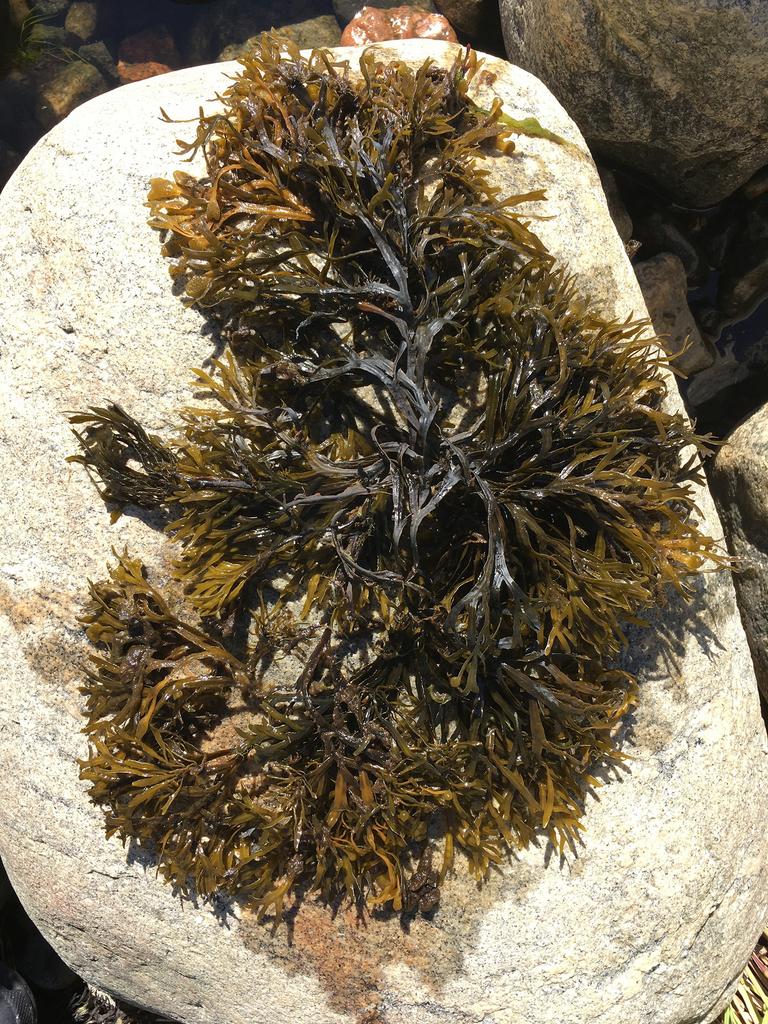
Unmasking the World's Largest Clone: The Baltic Bladderwrack Discovery
**The University of Gothenburg's recent study has unveiled a fascinating discovery: the common bladderwrack in the Baltic Sea, formerly thought to be a unique species, is actually a vast clone of itself.** This clone stretches over 500 km of the Bothnian Sea's coastline, potentially making it the largest clone of any organism known to science. Using DNA sequencing, researchers identified this clone, earlier misclassified as 'narrow wrack,' a distinct species. This revelation underscores the resilience and adaptability of bladderwrack, a vital habitat in the Baltic Sea, especially in response to climate-induced changes that result in warmer, less saline waters. Kerstin Johannesson, a leading marine ecologist, emphasized the challenges faced by these clones in an evolving environment due to limited genetic diversity, which hinders adaptability. _In contrast, a new seaweed species was discovered on Estonia's coast_, showcasing sexual reproduction potential and genetic diversity. This study not only reshapes our understanding of marine species classification but also highlights the critical role of genetic research in ecological management and conservation.