Unraveling the Genetic Secrets of Spur-Type Apple Trees
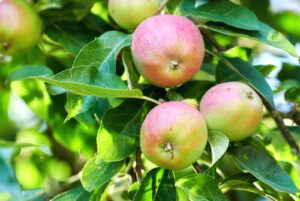
Apples, already a significant global fruit crop, have been further enhanced by understanding the genetic mechanisms behind the spur-type growth of certain trees. An international research team has developed the first fully phased genome of the Fuji apple, offering a comprehensive genetic map that separates the genes received from each parent. This breakthrough helped scientists study 74 Fuji clonal varieties and discover crucial somatic variations—mutations acquired over the plant's life that result in new traits such as early maturation or the spur-type growth habit. **Spur-type apple trees** are highly valued in agriculture for their higher flower bud concentration and increased fruit yield, while being easier to maintain, particularly under challenging conditions. This discovery revolves around a gene called **MdTCP11**, crucial for growth control. Compact apple trees have a small but significant deletion near this gene, making it more active, leading to shorter branches and a compact tree structure. Moreover, spur-type varieties have lower DNA methylation levels, keeping **MdTCP11** active and enhancing spur-type characteristics. This research could transform apple breeding by combining spur-type traits with other desirable characteristics like disease resistance, contributing to more sustainable farming. Understanding these genetic traits could allow breeders to cultivate apple varieties optimized for efficient growth and resource usage, aligning with the goals of modern sustainable agriculture. This study appears in **Nature Communications**.