Unveiling the Gradual Evolution of Brain Size in Human Ancestors
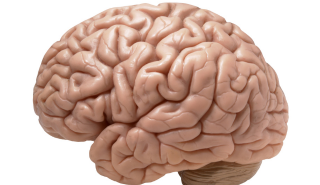
**New Research Challenges Old Theories on Brain Evolution** A pioneering study published in the journal _PNAS_ reveals that modern humans, Neanderthals, and our recent relatives evolved larger brains through gradual changes rather than sudden leaps between species. This research involved scientists from the University of Reading, the University of Oxford, and Durham University, who compiled the largest dataset of ancient human fossils spanning 7 million years. The team employed advanced computational and statistical methods to fill gaps in the fossil record, offering the most comprehensive view of brain size evolution to date. Co-author Professor Chris Venditti from the University of Reading comments that unlike the previously held belief of dramatic brain size jumps, evolution was more of a steady, incremental process akin to software updates over time. This study overturns assumptions that species like Neanderthals were unchanging and highlights gradual evolutionary changes as the predominant force behind brain size evolution. Lead author Dr. Thomas Puschel emphasizes that significant evolutionary shifts might stem from small, gradual improvements rather than dramatic events. Moreover, the study discovered that while larger-bodied species often had bigger brains, the brain size variation within a species did not consistently correlate with body size. Co-author Dr. Joanna Baker underscores that large brain evolution, a hallmark of human evolution, primarily arose from incremental changes within individual species over millions of years.