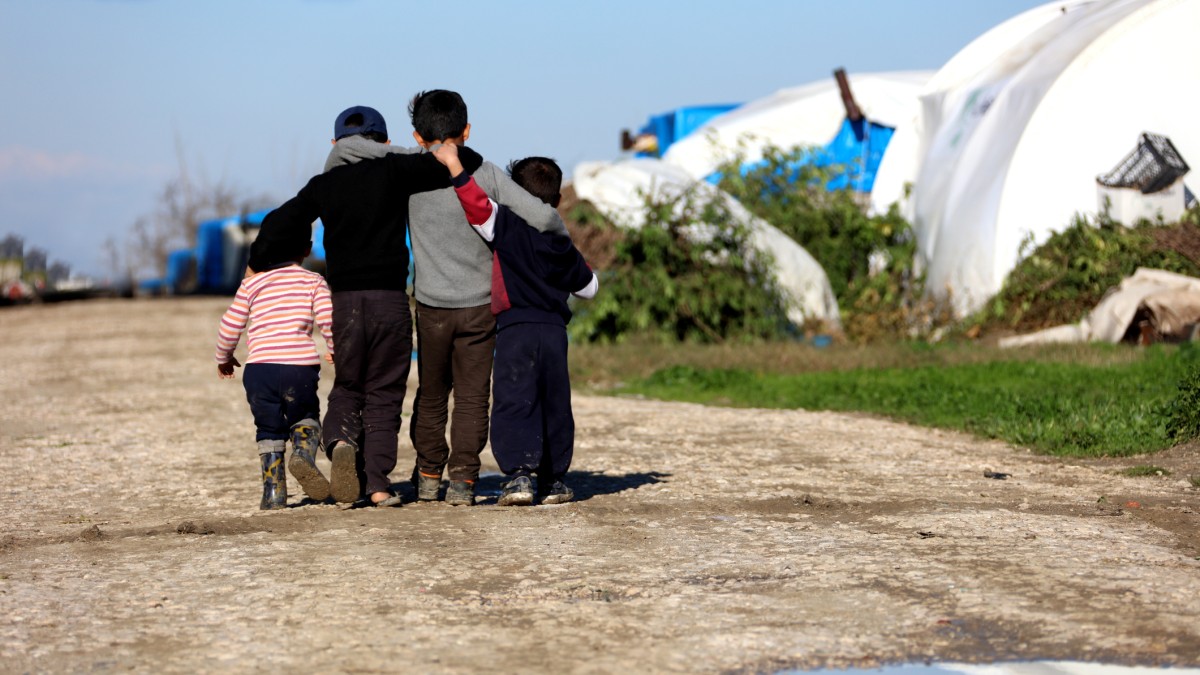
War's Hidden Impact: Biological Changes in DNA of Syrian Refugee Children
A **ground-breaking study** from the University of Surrey highlights a novel finding about the *biological impacts of war on children*. Researchers analyzed DNA methylation (DNAm) in saliva samples from 1,507 Syrian refugee children in Lebanon. This epigenetic process involves adding chemical tags to DNA, potentially turning genes on or off without altering the DNA sequence. It's known to play a critical role in development and can be influenced by various factors, including stress. The study revealed that children exposed to war-related events exhibited DNAm changes in several genome regions, particularly in genes involved in neurotransmission and intracellular transport. Moreover, these genetic alterations appear to be unique to war, not seen in other traumas such as poverty or bullying. The study also uncovered gender differences, with girls showing more pronounced biological responses at the molecular level. This highlights their increased vulnerability to long-lasting trauma effects. Notably, war was linked to slower epigenetic aging in these children, pointing to a potential developmental impact. Funded by the NIH, the study is part of BIOPATH, a larger cohort initiative aiming to deepen understanding of trauma's influence on young refugees. Published in JAMA Psychiatry, the research underlines war's tragic cost beyond mental stress.