Wildfire Smoke Linked to Increased Dementia Risk
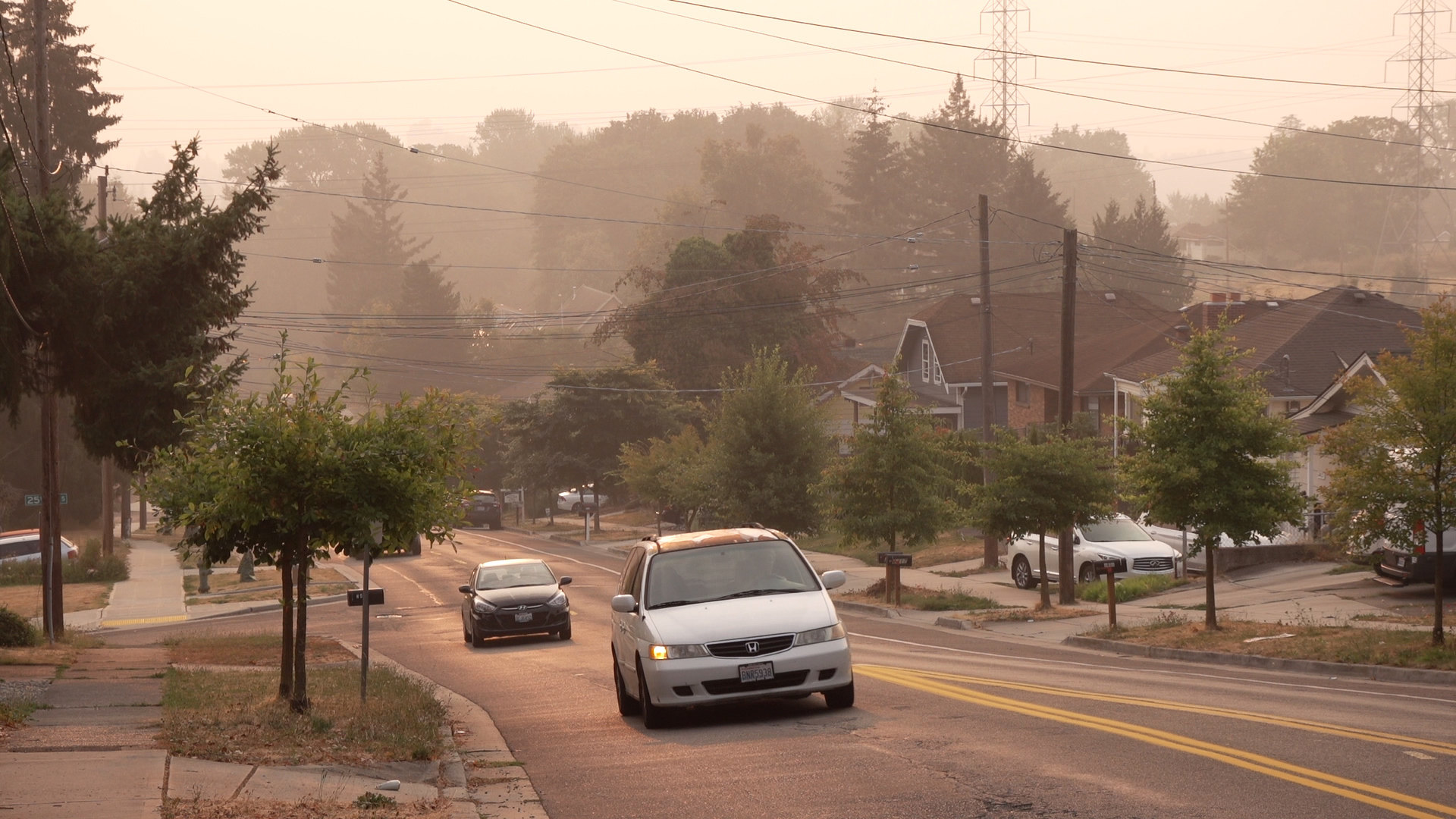
A recent **University of Washington study** has highlighted the connection between **wildfire smoke** and an increased **risk of dementia**. Researchers analyzed health records from **1.2 million Southern California residents** over 11 years, focusing on individuals aged 60 and older without dementia at the start of the study. They estimated long-term exposure to **fine particulate matter (PM2.5)** from wildfires and non-wildfire sources. **Key Findings:** - A **1 µg/m3 increase** in wildfire PM2.5 concentration over three years heightened the odds of a dementia diagnosis by **18%**. - Non-wildfire PM2.5 also posed risks but to a lesser extent. - The risk was notably higher for **racial minorities** and individuals in **low-income areas**. The study emphasizes that wildfire smoke exposure is not constant but can spike dramatically during **wildfire events**, leading to significant health impacts. The findings correlate with **climate change**, which has increased wildfire frequency and severity. Lead author **Joan Casey** argued for global climate solutions, as individual air quality measures may not suffice. The study did not cover the extreme wildfire seasons of 2020 and 2021 but underscored the urgent need for addressing climate change. **Co-authors** from various institutions contributed to the research, funded by the **National Institute on Aging** and the **National Institute for Environmental Health Sciences**.